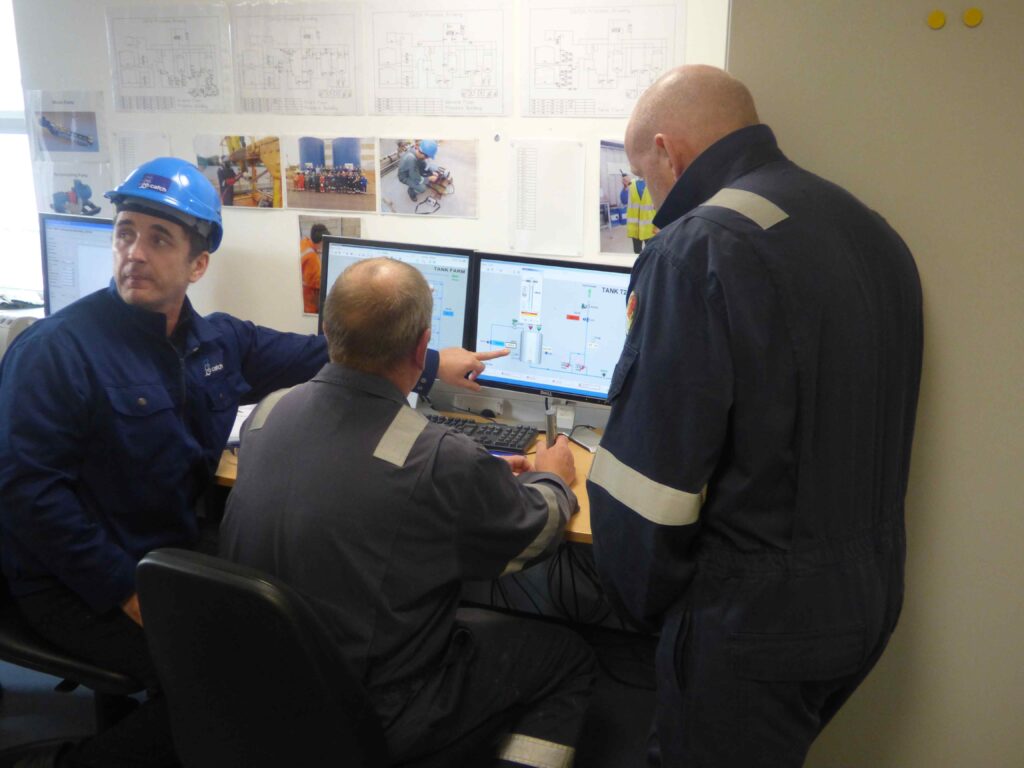
As a Process Leader, you’ll be at the heart of production, overseeing operations to hit core Key Performance Indicators (KPIs). You’ll lead large teams, offer technical guidance and make sure resources and budgets are managed effectively.
Your role is about driving continuous improvement: analysing KPIs, solving quality issues and maintaining the highest health, safety, and environmental standards. You’ll use project management tools to plan, monitor and manage risk, while developing your team and supporting their performance.
Process Leaders work across departments including HR, finance, planning and procurement, aligning people and processes with production goals. Clear and confident communication is key, whether you’re sharing the bigger picture or presenting data-driven insights to support decision-making.
Who is this apprenticeship for?
This programme is designed for supervisors and team leaders working with management and operational delivery teams. You’ll already be acting with autonomy within a wider production environment, responsible for delivering safe performance – on time and on budget – while providing a vital link in the management chain.
Duration
- 14 months of on-programme learning
- Up to 5 months for End Point Assessment
Prerequisites
To gain exemption from Functional Skills, you’ll need evidence of English and Maths achievement at one of the following levels:
- GCSE New Grades 4 to 9
- GCSE Old Grades A to C
If you don’t have this evidence, ESFA rules mean you’ll be automatically enrolled onto Functional Skills. These must be achieved at Level 2 during the apprenticeship and completed before you can progress to Gateway and EPA.
This apprenticeship is structured around three elements: Knowledge, Core Skills and Professional Behaviours.
K1. Production & Manufacturing Principles
- Material handling systems
- Maintenance practices
- Production planning & scheduling
- Ergonomics & workplace study
- Plant organisation
- Statistical Process Control (SPC)
- Flow and batch processes
- Product/raw material principles
K2. Resource Procurement
- Identifying and securing finance, staff, equipment, and supplies
- Utilising IoT and Industry 4.0 technologies
K3. Financial Management
- Budgeting and forecasting
- Controlling direct/indirect, fixed/variable, actual/accrued/committed costs
K4. Lean & Quality Improvement
- Workplace organisation
- Visual management
- Waste reduction
- Shop floor problem solving
K5. Quality Systems
- Delivery and maintenance of quality management and assurance systems
K6. Problem Analysis
- Cost of Poor Quality
- Problem definition models (e.g. Is/Is Not)
K7. Health, Safety & Environment
- Sector-specific legislative compliance
- Sustainable practices: energy, water, packaging, scrap, by-products
- Recycled materials implications
K8. Regulatory Compliance
- Production procedures aligned with legal and organisational standards
K9. Planning & Leadership
- Project management principles
- KPI-driven leadership
- Relationship building and problem solving
K10. Employment Law & HR Practices
- Staff management policies: recruitment, performance, development
- Discipline and grievance procedures
K11. Performance Management
- Theories of performance management
- Use of organisational tools and policies to manage teams
K12. People Development
- Motivating, managing, and developing individuals effectively
K13. Organisational Vision & Goals
- Understanding the purpose of vision and goals
- Applying them to team objectives
K14. Team Strengths
- Recognising individual strengths
- Applying them effectively in the workplace
K15. Relationship Management
- Managing relationships with colleagues, stakeholders and suppliers
- Skills in collaboration, negotiation, influencing, conflict resolution and networking
K16. Communication Skills
- Cascading information across all levels
- Communicating with diverse audiences
K17. Data Analysis for Decision Making
- Collecting and analysing data
- Applying basic statistical methods
K18. Presenting Data for Change
- Using graphs, charts, tables, and single-page reports
- Building compelling cases for change to management
S1. Production Oversight
- Undertake and direct production activities and operations
S2. Change Management
- Propose, manage, and coordinate changes to products, processes, equipment, and operations to improve productivity, efficiency, quality, and sustainability
S3. Problem Solving
- Predict and prevent failures through data and information analysis
S4. Resource Management
- Ensure availability and efficient use of resources in line with organisational procedures
S5. Cost Control
- Deliver cost achievements against budget targets
S6. Production Planning
- Plan resources to support variations in production schedules
S7. Continuous Improvement
- Use KPIs to drive improvements in quality, cost, and volume using lean techniques
S8. Quality & Volume Resolution
- Manage and resolve quality and volume-related issues
S9. Health, Safety & Environment
- Ensure compliance and drive improvements in HSE within area of responsibility
S10. Risk Management
- Conduct risk assessments, manage near-miss processes, and lead investigations
S11. Project Management
- Use tools to plan, organise, monitor progress, and mitigate risks
S12. Recruitment
- Recruit the right people into the right roles.
S13. Team Development
- Build and motivate teams by identifying strengths and enabling workplace training and development
S14. Performance Management
- Recognise excellence and manage performance, discipline, attendance, and grievance effectively
S15. Industrial Relations & Inclusion
- Manage industrial relations and promote equality and diversity
S16. Coaching & Mentoring
- Support team development through coaching and mentoring
S17. Change Leadership
- Lead and communicate change management initiatives
S18. Direction & Feedback
- Provide clear leadership, adapt style to context, and give open, honest feedback
S19. Delegation
- Delegate tasks and empower others to deliver outcomes
S20. Relationship Building
- Build strong cross-disciplinary relationships, negotiate, influence, and manage conflict
S21. Collaboration & Best Practice
- Share good practice and work collaboratively
S22. Specialist Support
- Use expert advice and support to deliver plans
S23. Effective Communication
- Communicate clearly across verbal, non-verbal, written, and digital formats tailored to the audience
S24. Presentation & Facilitation
- Chair meetings, present using various media, listen actively, challenge constructively, and give feedback
S25. Data-Driven Decision Making
Analyse and present data compellingly to support management decisions
B1. Decision Making
- Makes informed decisions using initiative, technical knowledge and stakeholder analysis
- Accepts responsibility and understands limits of authority
B2. Agility
- Adapts flexibly to organisational needs
- Embraces innovation, creativity, feedback and change
B3. Inclusivity
- Builds trust through openness and authenticity
- Promotes a respectful, diverse and inclusive culture
- Seeks and provides feedback for continuous development
B4. Responsibility & Resilience
- Demonstrates drive, accountability and determination
- Manages difficult situations and seeks new opportunities
B5. Professionalism
- Acts as a role model – fair, consistent and impartial
- Operates within and promotes organisational values
B6. Problem Solving
- Quickly identifies issues and enjoys solving complex problems
- Focuses on root cause analysis and long-term solutions
What to Expect from Reynolds
- Knowledge-building workshops led by our expert trainers
- 24/7 access to our e-Learning portal
Structured preparation for End Point Assessment (EPA)
End Point Assessment
Delivered through three assessment methods:
- Workplace Observation and Q&A – independent assessor observes normal work tasks (must include chairing two meetings)
- Project, Presentation and Q&A – a real business project lasting 6–8 weeks, with a presentation to demonstrate applied learning
- Professional Discussion with Portfolio of Evidence – a structured discussion, focusing on competence, problem solving and scenario analysis
Professional Recognition
Completion of this apprenticeship can lead to professional registration at EngTech level, recognised by:
- Institute of Engineering and Technology (IET)
- Institute of Mechanical Engineers (IMechE)
Download Course Flyer
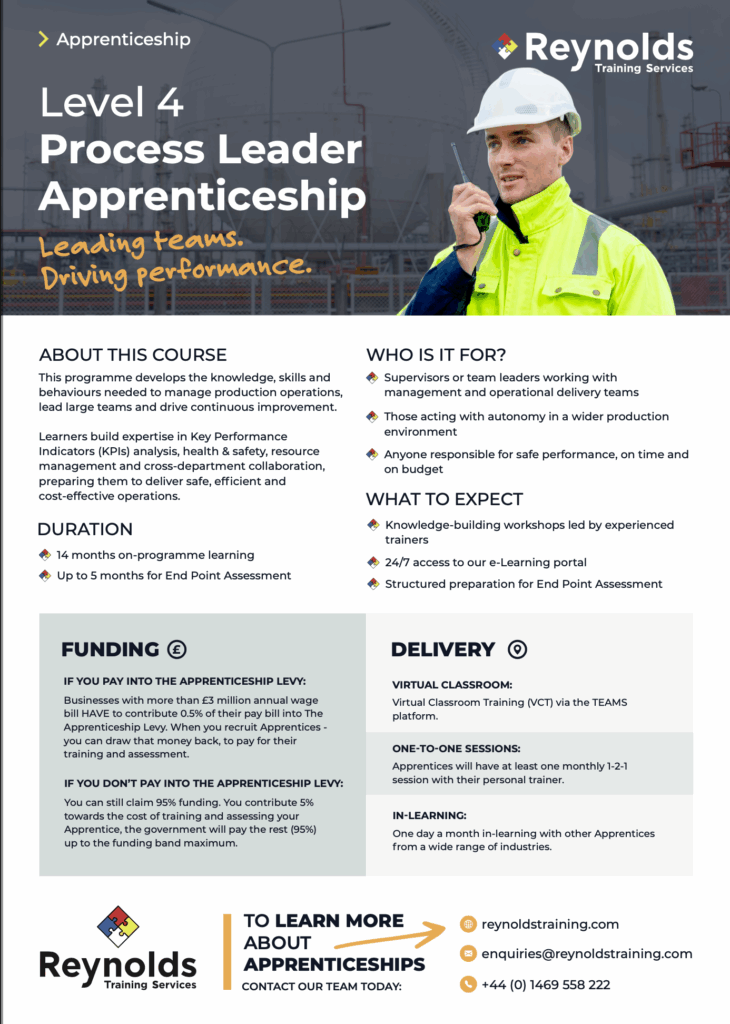
This course will be delivered online as a through a range of cutting-edge distance-learning digital platforms including:
Virtual Classroom:
Reynolds delivers the learning and assessment through Virtual Classroom Training (VCT), via the TEAMS platform. TEAMS works in partnership with our e-Portfolio Aptem, where they will have access to upload their assignments and evidence.
One-to-One Sessions:
Apprentices will have a minimum of one hour-long one-to-one session monthly with their personal trainer.
In-learning:
Additionally, there will be one day a month in-learning with other professionals also doing the same apprenticeship from a wide range of industries.
Reynolds Training Services Ltd:
Technical Training Centre
Kiln Lane,
Redwood Park Estate, Stallingborough
North East Lincolnshire
DN41 8TH

Lead Tutor: John Reynolds
The driving force behind Reynolds and a leading figure in the Bulk Storage sector. Focused on delivering a structured career pathway for Bulk Storage Operations.
Register Your Interest
Why an Apprenticeship
is right for you
Organisations who value Apprenticeship training are building a robust efficient and productive workforce for the future.
Apprentices are the foundation to any industry and help shape the future landscapes within their industry sectors!
Together, employers and Apprentices can build industry leaders who shape the future industry and secure business successes.
Health and Safety is a great business to work in – and it’s the most exciting time to join.
Why you should
employ an Apprentice
Unleash the potential of your workforce through Reynolds’ hands-on Apprenticeship approach. Tailored to your business needs, safety-focused and financially-supported, for a skilled and safer future.

Skilled
workforce
Our hands-on Apprenticeship approach ensures that your employees gain the specific skills and knowledge needed for your business.

increased
safety
Safety is our top priority. Apprentices will be trained in industry-specific safety protocols, helping to create a safer working environment for all.

customisable
training
Our Apprenticeship can be tailored to meet your specific needs. We can customise the delivery to focus on the skills and knowledge that your business needs.

Cost-effective training
With government funding and support, you can benefit from a fully-trained and skilled workforce without incurring high training costs.
How much does this Apprenticeship cost the employer?

So, how does the funding work?
Businesses with more than £3 million annual wage bill already contribute 0.5% of that bill into The Apprenticeship Levy.
When you recruit Apprentices – you can draw that money back, to pay for their training and assessment. You don’t need to take any action – We confirm Levy eligibility for you.
After two years, your unclaimed payments go into the ‘national pot’. If you don’t claim the money yourself, you’re paying for someone else to employ Apprentices.
No problem. You can still claim 95% funding. You contribute 5% towards the cost of training and assessing your Apprentice. The government will pay the rest (95%) up to the funding band maximum.
You need to:
- agree a payment schedule with us
- pay us directly for the training
At the end of that, you get an experienced and trained Operator.
How we can help…
Unsure about reclaiming your Levy contributions?
Get in touch:
Lines open Monday to Friday, 9am to 5pm, GMT

Where
Apprentices learn
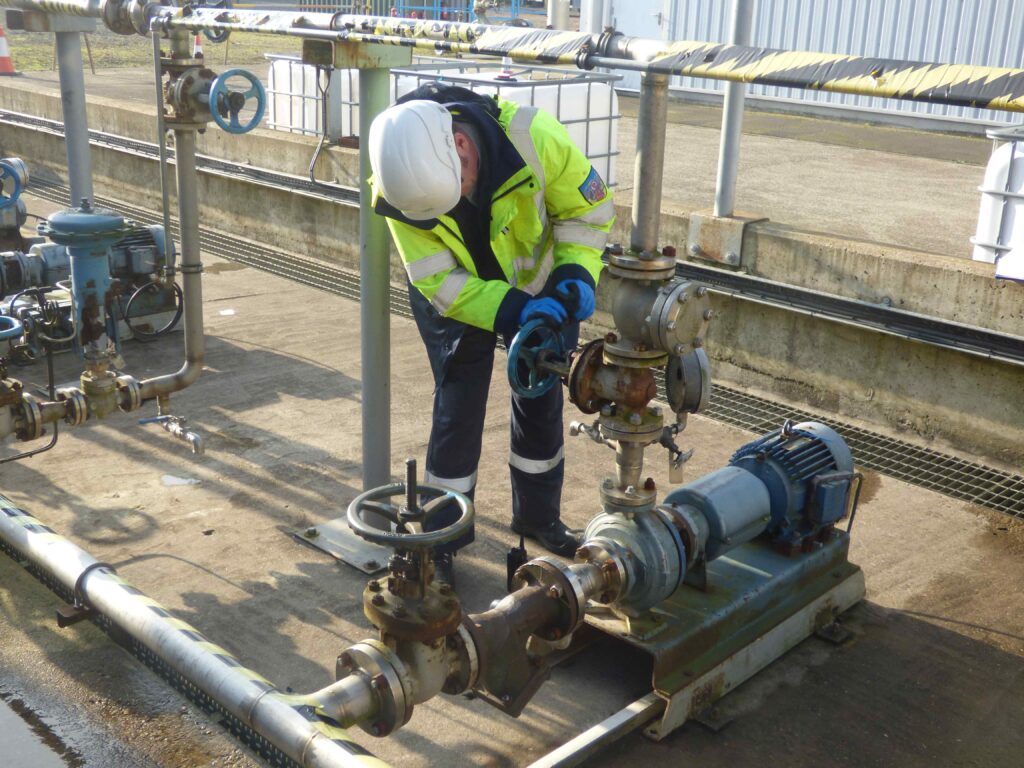
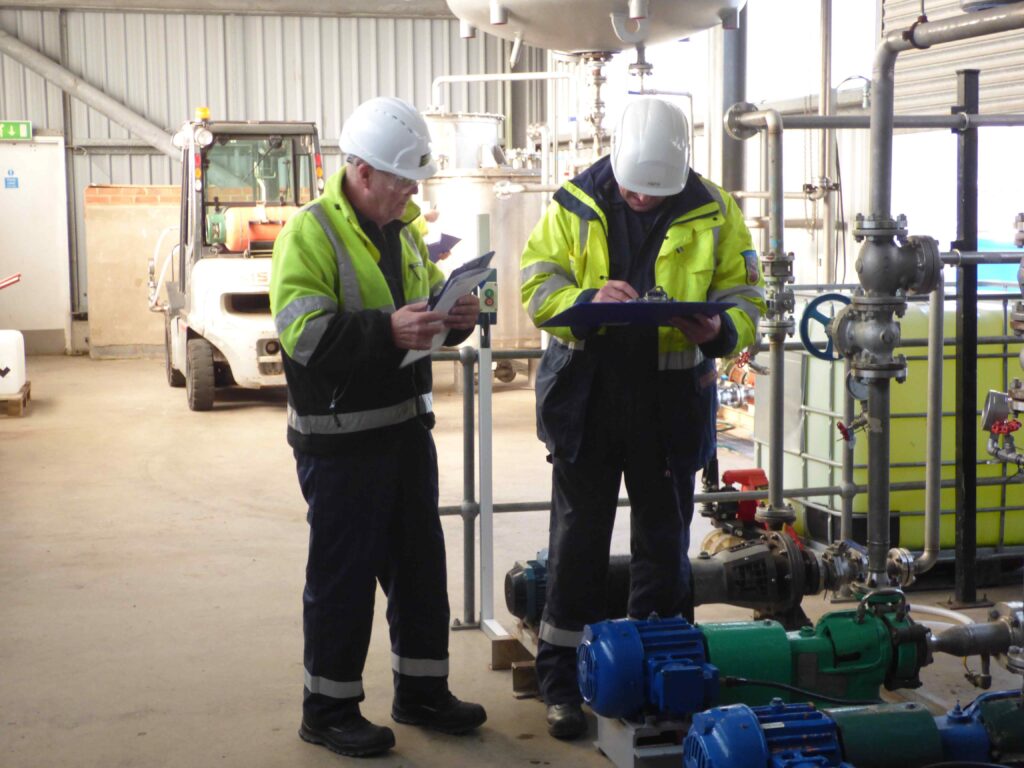
The Apprentice will work at their employers’ site and at our state-of-the-art facility, the NCPM.
The Apprenticeship standard requires 20% of the learning to be ‘off-the-job training’ – this can be delivered in one of three ways …
Our Place

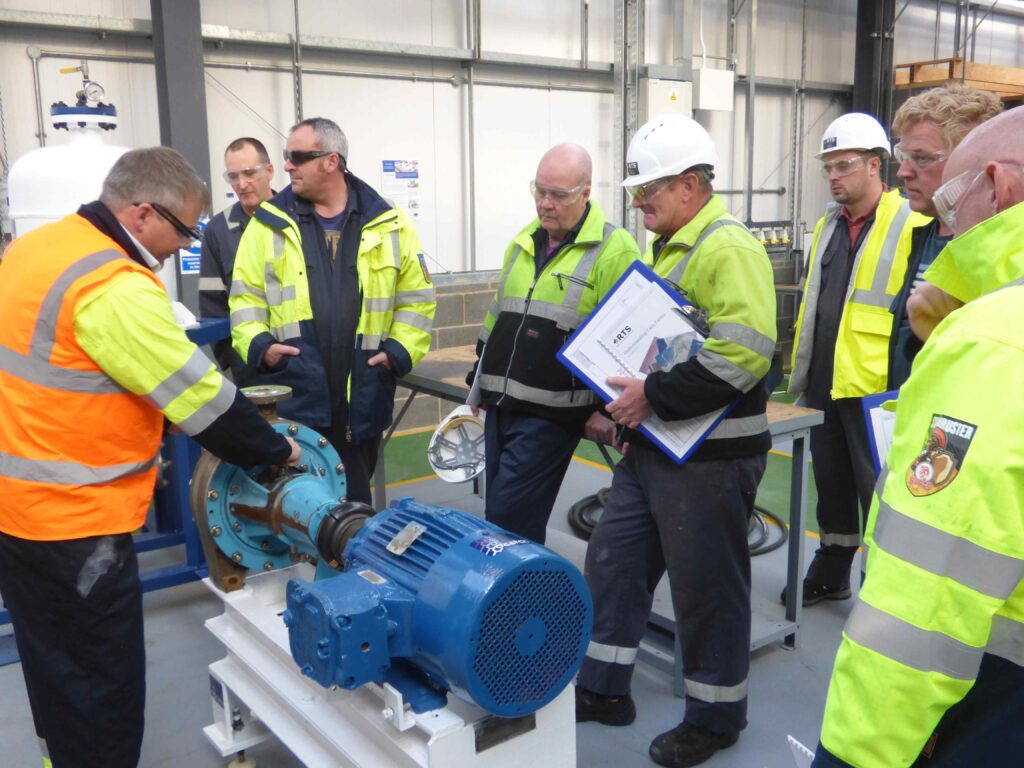
Learning takes place in the classroom and on the ground in our training facility, the NCPM.
YOur Place

Once they are versed in the basics, your candidates will return to you and begin the next stage of their training.
Online

To reduce time spent offsite, we have developed our online learning and support platforms: Virtual Reynolds & CALMcloud.
The NCPM:
Our cutting-edge training facility
The National Centre for Process and Manufacturing is the UK’s first fully-operational facility of its kind, created to provide learners with unique and realistic training experiences. Our process plant aligns directly with bulk liquid and gas storage industries, both nationally and internationally.