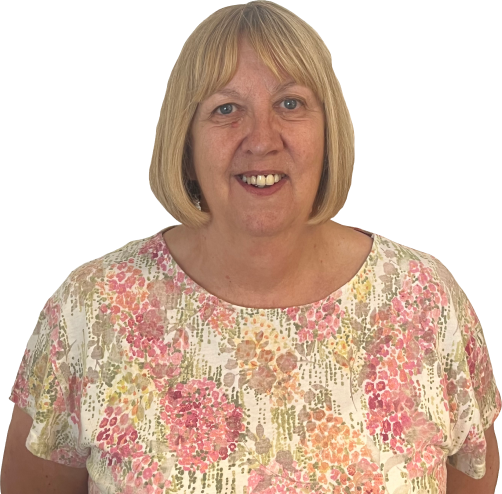
Christina Roberts, policy advisor at the Health and Safety Executive, has given guidance to industry about changes to the classification of dangerous substances under the Seveso III EU Directive.
Ms Roberts’ comments came during a question and answer session at the Humber Major Hazards Group’s annual conference in Stallingborough.
The HSE official was asked what a company should do when faced with the option of choosing the same substance which is classified differently by different suppliers.
“You might have an American supplier versus a European supplier: so what should you do and what should you use. That is a good question and that is happening”, she said to onlookers at the one-day Seveso III, Process Safety & Continuous Improvement event.
Under the extensive EU Directive, the UN’s Globally Harmonised System will be used in the classification of chemicals to determine whether they fall within the scope of the Directive.
As a result, there is the potential for sites to change their COMAH status – top tier, lower tier or non-COMAH – depending on the substances and quantities they hold. The changes have caused some confusion within industry as to what classifications take precedent.
Ms Roberts explained: “Basically, there is a hierarchy to how much you should trust things and the top of that hierarchy is the European Chemicals Agency and their systems.
“That is where everybody submits their dossiers for classifying substances and they maintain this overall system.”
The HSE’s Christina Roberts talks Seveso 3
The HSE official pinpointed the European Chemicals Agency as the “most authoritative source” companies should turn to when seeking out substance classifications.
Ms Roberts continued: “We know there is a big issue out there about material substance datasheets – safety datasheets, whatever you want to call them – and some are nowhere near as good as they should be.
“That is why I am saying getting classification under Seveso III is getting more difficult. So start with the European Chemical Agency’s website and work downwards and there is guidance on that.
“Unfortunately, I’d have to say with safety datasheets, you should have some caution at this stage about what they say and often you need to double check them with other sources to verify how they should be classified.”
The Seveso II Directive, implemented in the UK as the COMAH Regulations, will be replaced by the new Seveso III Directive.
It is set to come into force June 1st, 2015.
Related reading:
- Seveso puts public opinion at the heart of safety policies
- Processing good safety at CATCH
- Legislative alert: Seveso 3
- Free PPE training for your site
- John Reynolds pits personal safety against process safety in this video
- HCF to hold renewables event at CATCH
- How good is your health and safety? Can you spot the difference?